

How Moisture Analysis Impacts Crude Oil Cargo Value at Sea
From: StellarNet
Posted On: 14 May 2026
Invisible losses in oil shipping
Moisture is a common and often underestimated component of crude oil that directly impacts product value, transport efficiency, and refining performance. Even relatively low levels of water—on the order of 0.05% to 0.5%—can introduce operational challenges and significant economic losses. This challenge can be further amplified when vessels are at sea for extended periods of time, where increased re-emulsification and the risk of re-condensation during transport can lead to measurement inaccuracies.
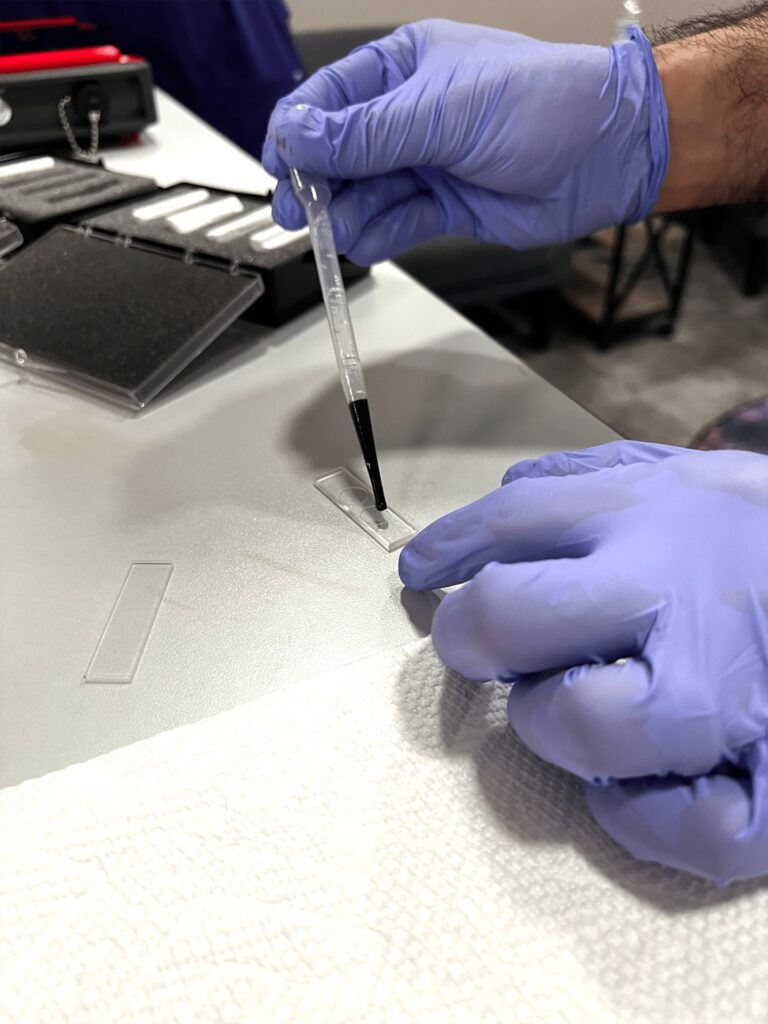
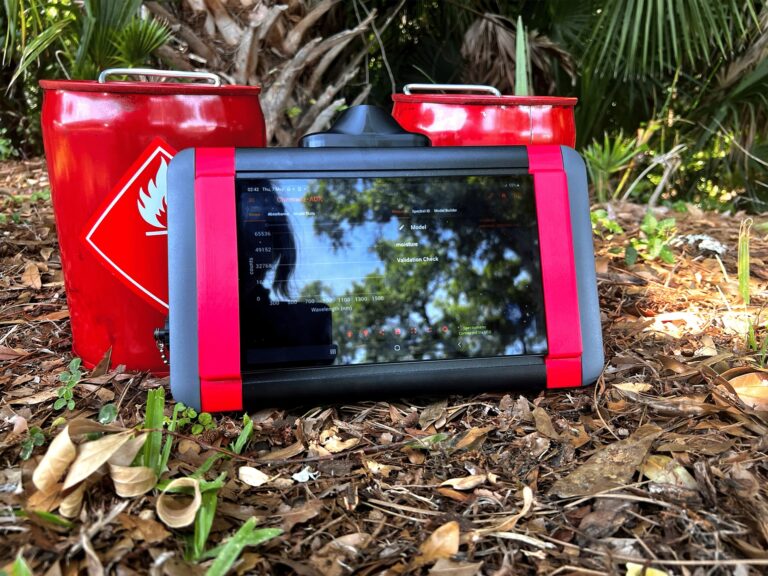
Industry-standard methods defined by ASTM International establish how water content is measured and reported, particularly for custody transfer. However, these methods are often time-consuming and not suited for real-time decision-making. Modern near-infrared (NIR) spectroscopy, including handheld platforms such as the ChemWiz-ADK, enables rapid, non-destructive quantification of moisture content directly in the field.
How Moisture Occurs in Crude Oil
Water enters crude oil through several mechanisms during extraction, handling, and transport:
- Reservoir Water (Formation Water): Crude oil is naturally co-produced with water from underground reservoirs, often forming stable emulsions.
- Production and Separation Inefficiencies: Incomplete separation processes leave residual water entrained in the crude.
- Emulsification: Natural surfactants such as asphaltenes stabilize water-in-oil emulsions, making separation difficult.
- Condensation During Storage and Transport: Temperature fluctuations in storage tanks and marine vessels introduce additional moisture through condensation.
Why Moisture Measurement Matters?
- Custody Transfer and Revenue Impact
Crude oil is traded based on volume or mass, making accurate water measurement essential for fair valuation. Standard laboratory methods such as ASTM D4006 (distillation), ASTM D4928, and ASTM D4377 provide trusted results; however, they typically require 30–90 minutes per test, which can delay critical decisions.
- Transportation and Marine Shipping Risks
During international shipment, moisture introduces additional challenges:- Phase Separation: Water can settle during long voyages, leading to inconsistent measurements between loading and unloading ports.
- Free Water Accumulation: Water settling at the bottom of tanks can interfere with pumping and unloading.
- Commercial Disputes: Differences in measured water content can result in contractual disputes and financial penalties.
Economic Impact: Small Moisture Errors, Large Financial Consequences
The financial implications of inaccurate moisture measurement are substantial.
Example: Crude Oil Tanker Shipment
- Cargo size: 1,000,000 barrels
- Oil price: $75 per barrel
- Total cargo value: $75,000,000
A small measurement error can have a large impact:
Moisture ErrorᅠEquivalent VolumeᅠFinancial Impact
- 0.05%ᅠ500 barrelsᅠ~$37,500
- 0.10%ᅠ1,000 barrelsᅠ~$75,000
- 0.25%ᅠ2,500 barrelsᅠ~$187,500
- 0.50%ᅠ5,000 barrelsᅠ~$375,000
Even a 0.1% error represents approximately $75,000 in misvalued product for a single shipment. These discrepancies are a primary driver of custody transfer disputes across global supply chains.
NIR Spectroscopy for Moisture Analysis
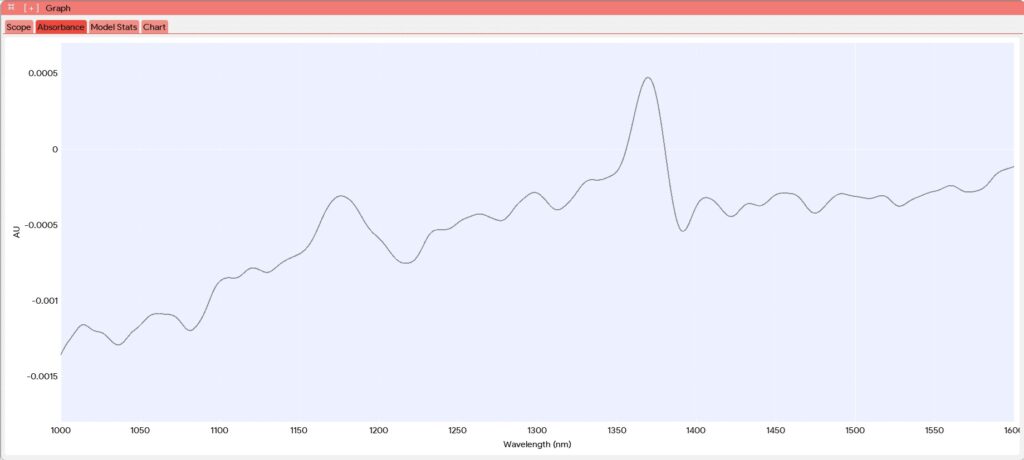
NIR spectroscopy detects moisture through O–H absorption bands, primarily near ~1400 nm (first overtone) and ~1900 nm (combination band).
Using chemometric techniques such as Partial Least Squares (PLS) regression, NIR systems correlate spectral data with moisture concentration across defined ranges, enabling rapid quantification in complex hydrocarbon matrices.
Demonstrated Performance with ChemWiz-ADK
Recent measurements using the ChemWiz-ADK handheld NIR spectrometer demonstrated:
- R² > 0.997
- Moisture range: 0.05% to 0.5%
- Rapid, non-destructive measurement with no sample preparation
These results demonstrate that portable NIR systems can deliver lab-correlated accuracy aligned with ASTM reference methods, while enabling real-time, in-field analysis.

Conclusion
Moisture in crude oil is a critical parameter influencing valuation, transport integrity, and refining performance. While ASTM standard methods provide trusted laboratory measurements, their time and operational constraints limit their effectiveness in dynamic environments such as marine loading and transfer operations.
Handheld NIR solutions such as the ChemWiz-ADK bridge this gap by providing instant, reliable moisture analysis, enabling operators to reduce financial risk, improve process control, and minimize disputes across the crude oil supply chain.